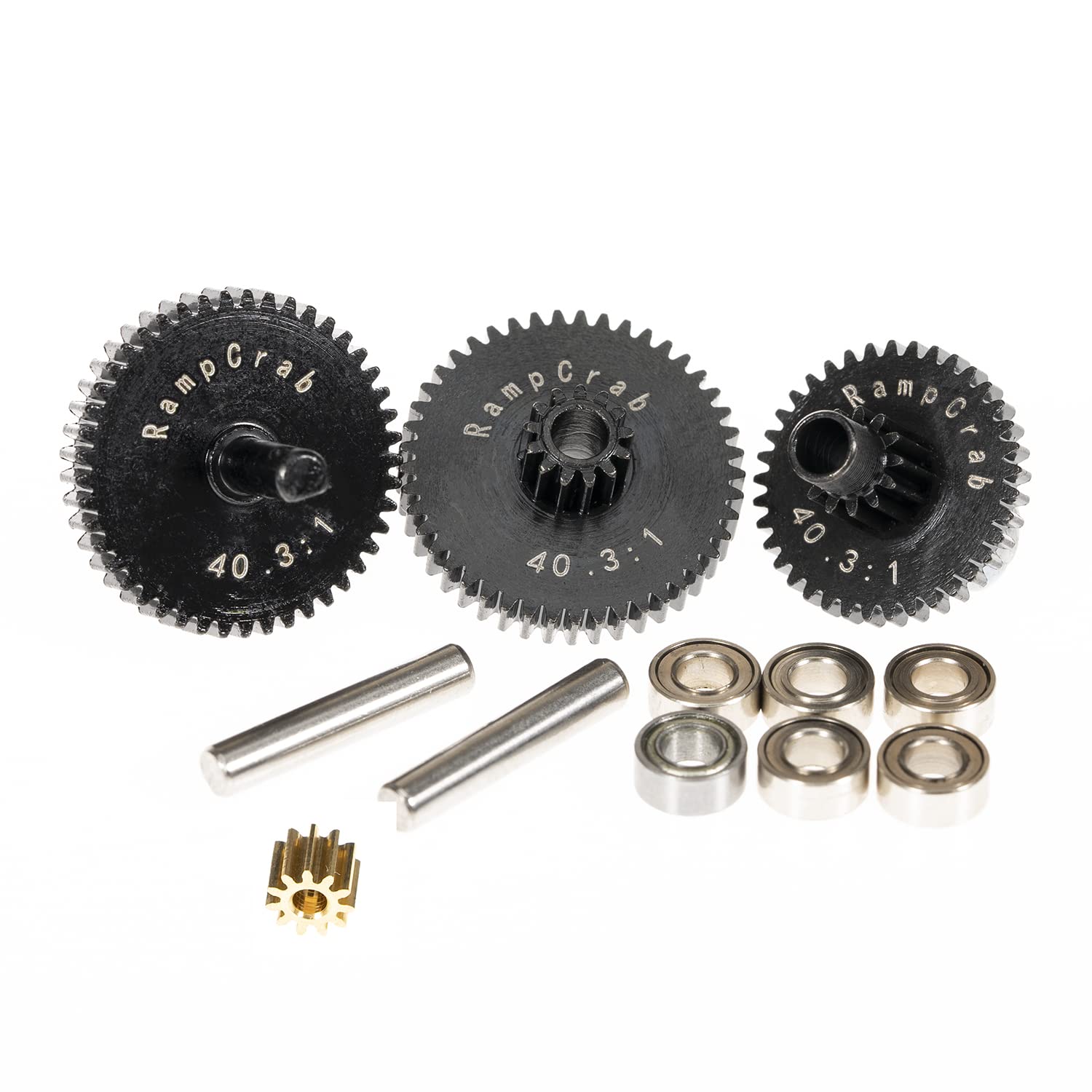
Rampcrab Trx4M
Carbon fibre Beadlock Wheels for SCX24, TRX4M, FCX24, CR18P
Description
The user's experience and satisfaction are of the utmost importance when designing a product or service. When developing a new offering, it is essential to consider the target audience's needs, preferences, and pain points. By putting the user at the center of the design process, businesses can create solutions that truly resonate and address the challenges faced by their customers.
One key aspect of user-centric design is the careful consideration of user flows and interactions. Mapping out the user's journey, from initial awareness to final conversion or goal completion, allows designers to identify potential friction points and optimize the overall experience. This includes streamlining navigation, improving information architecture, and ensuring intuitive and seamless interactions throughout the user's engagement with the product or service.
Another crucial element is the incorporation of user feedback and testing. Gathering insights directly from the target audience, whether through interviews, surveys, or usability testing, provides valuable data that can inform design decisions and iterative improvements. By continuously incorporating user input, businesses can ensure that the final product or service meets the needs and expectations of their customers.
Effective user-centric design also requires a deep understanding of the target audience's context, including their environment, devices, and technological proficiency. By considering these factors, designers can create experiences that are optimized for the user's specific usage scenarios, ensuring that the product or service is accessible, efficient, and enjoyable across a range of devices and platforms.
In addition to user-centric design, businesses should also prioritize accessibility and inclusivity in their product or service development. This means ensuring that the design and functionality cater to users with diverse abilities, including those with physical, cognitive, or sensory impairments. By adopting accessibility best practices, businesses can create inclusive experiences that enhance the overall user experience and reach a wider customer base.
Furthermore, the importance of user-centric design extends beyond the initial product or service launch. Continuous monitoring, data analysis, and iterative improvements are essential to maintain a high level of user satisfaction and engagement over time. By continuously collecting feedback, identifying pain points, and implementing enhancements, businesses can ensure that their offerings remain relevant, effective, and responsive to the evolving needs of their customers.
In conclusion, user-centric design is a fundamental approach that should be at the heart of any successful product or service development. By placing the user's needs, preferences, and experiences at the forefront of the design process, businesses can create solutions that truly resonate with their target audience and drive long-term customer loyalty and success.
product information:
| Attribute | Value |
|---|---|
| manufacturer | RampCrab |
| brand | RampCrab |
| model | 1_8-SPWEL-CF-F-US |
| product_dimensions | 3 x 0.2 x 3 inches |
| country_of_origin | China |
| is_discontinued_by_manufacturer | No |
| manufacturer_part_number | 1_8-SPWEL-CF-F-US |
| date_first_available | July 5, 2024 |